The UK beauty industry is thriving, with thousands of salons, mobile therapists, and home-based beauticians offering services ranging from traditional beauty treatments to advanced aesthetics. But with this, every beautician has the responsibility to operate safely, professionally, and in line with UK legislation. This means following proper health, safety and regulations.
Whether you run a high-street salon or offer treatments from a dedicated home space, understanding health, safety, and regulatory requirements is essential for protecting clients, maintaining credibility, and ensuring your business stays compliant.
Why Health and Safety Is Critical in UK Beauty Services
Beauty professionals in the UK work closely with clients’ skin, hair, and nails—often using chemicals, electrical devices, and tools that come into direct contact with the body. Poor practice can lead to:
- Allergic reactions
- Skin infections and cross-contamination
- Burns or injuries from tools and equipment
- Fungal and bacterial spread
- Claims, complaints, or legal action
In the UK, health and safety is not optional—they’re a legal duty under the Health and Safety at Work Act 1974 and associated regulations.
Common Health and Safety Risks in UK Salons and Home Beauty Setups
Chemical exposure
Products like tints, adhesives, and liquids often contain strong chemicals. Without proper ventilation—especially in home salons—both clients and practitioners may be at risk.
Infection and cross-contamination
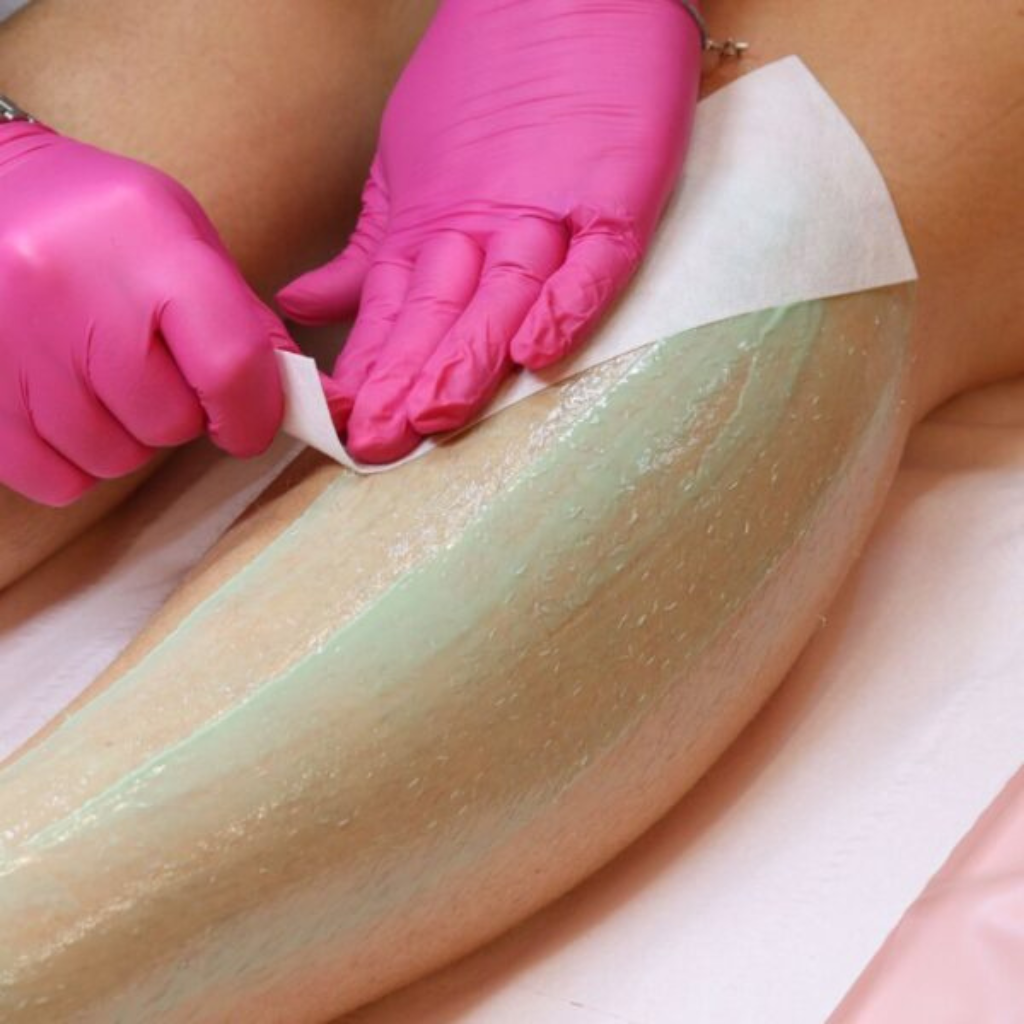
Tools that are reused (e.g., tweezers, waxing equipment etc) can harbour bacteria and viruses if not disinfected correctly between clients.
Electrical and equipment hazards
Faulty devices, incorrect use, or lack of maintenance can lead to fires, shocks, or burns.
Allergies and sensitivities
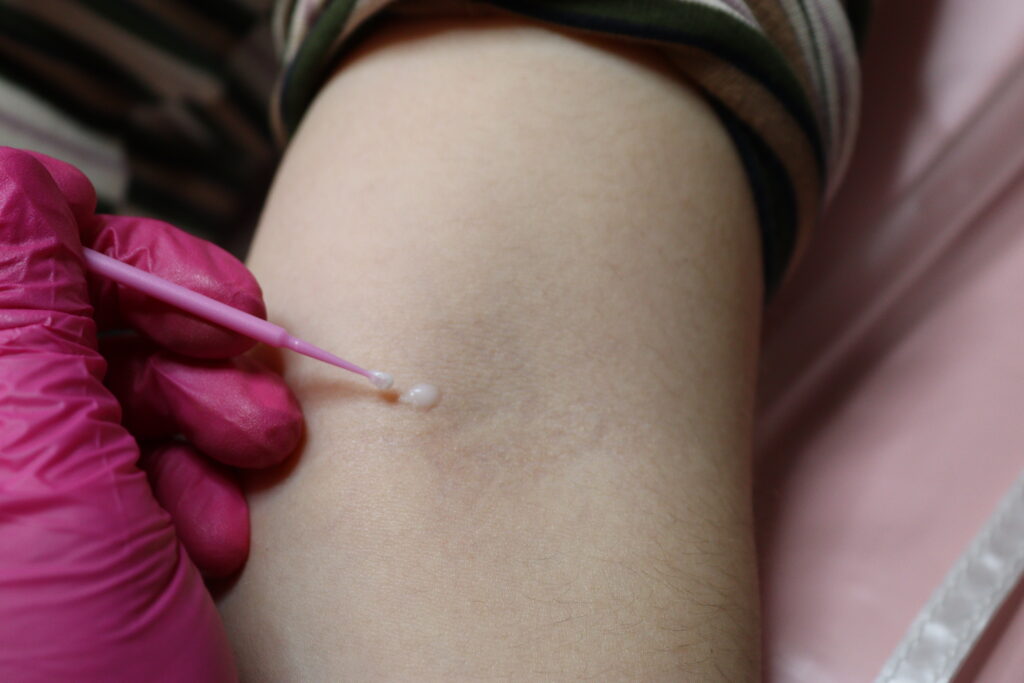
The UK has strict expectations around patch testing for treatments involving dyes, tints, adhesives, or skin-contact chemicals.
Essential Health & Safety Protocols for UK Beauty Professionals
Cleanliness and sanitation
- Disinfect multi-use tools between every client using approved salon disinfectants.
- Use single-use items wherever possible (mascara brushes, eye pads, wax strips etc).
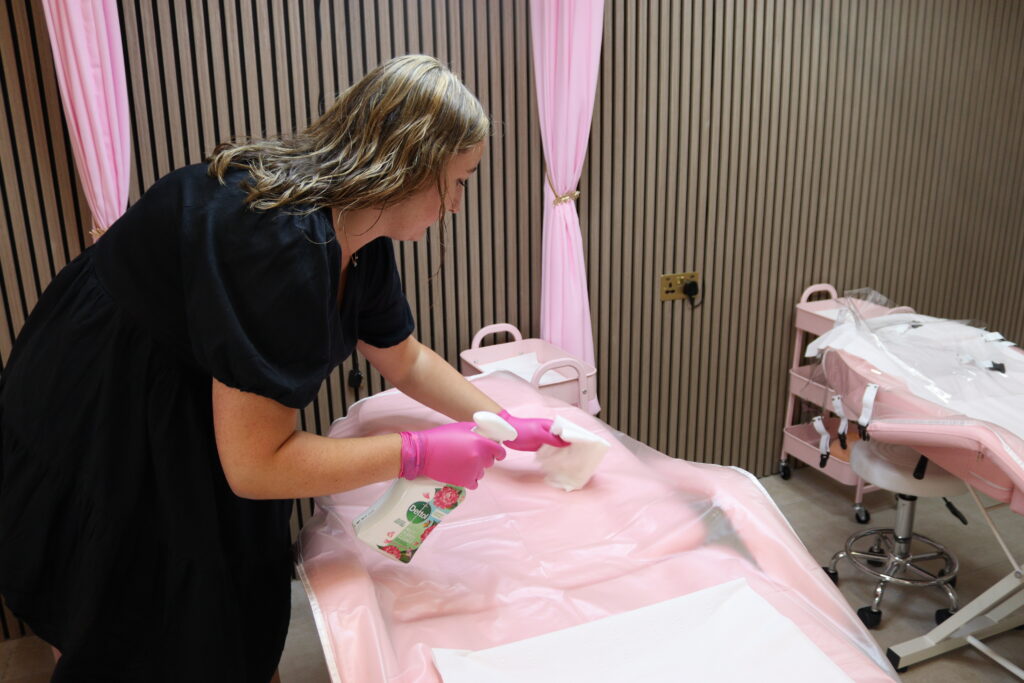
- Maintain clean work surfaces, towels, and coverings.
- Keep handwashing facilities accessible—even in home settings.
PPE and hygiene standards
Although PPE rules changed post-COVID, gloves, masks, and aprons remain best practice for a lot of treatments. Always wash your hands before and after every appointment.
Patch testing requirements (UK-specific)
Patch testing is vital for services such as:
- Lash lifts and tint solutions
- Brow tints
- Lash glue for extensions
Most insurers and manufacturers require patch tests 24–48 hours before treatment—even if clients have had the treatment done elsewhere. All of Pinkfishes’ liquids and adhesives require a patch test 24-48 hours prior to the treatment.
Safe handling of chemicals
- Always follow COSHH (Control of Substances Hazardous to Health) regulations.
- Keep Safety Data Sheets (SDS) for all chemical products – these can be provided by your manufacturer or supplier.
- Store chemicals in original containers, in their recommended storage conditions.
- Ensure proper ventilation—especially in home rooms or converted salon spaces.
Waste management
Dispose of sharps, waxing strips, contaminated cotton pads, and single-use items safely in line with local council guidelines.
Key Regulations for UK Salons and Home Beauticians
Regulatory requirements vary depending on the type of treatments you offer, but most UK practitioners must follow:
Health and Safety at Work Act 1974
Health and safety regulations are something every beauty practitioner needs to follow. This legislation, (Health and Safety at Work) is the primary legislation covering occupational health and safety. It applies to all workplaces including home beauty rooms. You must conduct risk assessments covering all issues that may occur – from handling certain chemicals, to slipping on a wet floor – and include ways you can reduce the risk. You must also maintain safe practices for both yourself and your clients, ensuring they follow proper safety protocols when visiting you too. It is also important to provide appropriate equipment that has been safety tested.
Workplace Risk Assessments
The goal of a risk assessment is to identify any potential hazard that can occur in the workplace and evaluate the risks associated with them. This will allow you to implement proper measures to reduce the risk of the certain hazards. A risk assessment is required for:
- Slips, trips, and fire safety
- Chemical handling
- Equipment
- Hygiene and infection control
- Client consultation procedures
It is important that all risk assessments are re-evaluated frequently and kept up-to-date.
Health and Safety (First Aid) Regulations
General health and safety legislation requires a trained first aider to always be present in a place of work. So, if you are a self-employed beautician, you must complete some first aid training in order to comply with the regulations. It is also important that a risk assessment has been carried out to evaluate all situations where first aid might be required.
COSHH Regulations
COSHH is the Control of Substances Hazardous to Health. If you use products that produce fumes, dust, or chemicals you must follow COSHH guidelines. Any impacts to your health caused by these products could be preventable providing that COSHH regulations are followed. Carry out a COSHH assessment on any harmful products that you may use in your workplace to ensure you prevent any impacts to you or your clients.
Local Authority Registration (where required)
Some treatments — particularly semi-permanent makeup, microblading, and body piercing — require registration with your local council. Regulations around injectables and advanced treatments are evolving. Some councils require special licensing for:
- Microneedling (over certain depths)
- Laser and IPL devices
- Microblading or SPMU
- Body piercing
Insurance requirements
All UK beauty professionals must hold insurance to cover you from any liability claims against you or your business. There are lots out there, but the main ones you need to ensure you have included in your policy are:
- Public Liability Insurance: covers any claims of damage to third parties and their property. So, if someone was to trip on the way into your salon and injure themself, or break any of their personal property, you would be covered for any claims made against you. If you’re a mobile technician, it will also cover you for any accidental damage you cause when treating clients in their homes.
- Professional Treatment Indemnity Insurance: cover your legal defence and any compensation due to a client, if harmed by a treatment. This cover is also very important as a practitioner as if you were not to have it, any claims would leave you personally liable to cover the costs.
- Salon insurance: protects all of your equipment that you use to complete your treatments in a salon. So, if your equipment is lost, stolen or damaged, you will be covered to replace it so you can get back to work.
Some landlords or mortgage providers also require disclosure of a home business.
Additional Considerations for Home and Mobile Beauticians
Working from home or offering mobile services comes with extra responsibilities. Home salon beauticians must ensure that they have all the following before offering treatments to the public.
- A dedicated, clean treatment room (not a kitchen or shared living space).
- Proper ventilation for chemicals.
- Safe storage of professional equipment away from children or pets.
- Separate handwashing facilities (or accessible alternatives).
- Clear pathways and hazard-free access for clients.
Mobile beauticians must:
- Maintain portable hygiene supplies (Barbicide, wipes, disposable items).
- Properly transport chemicals and tools.
- Conduct treatments in safe, suitable client environments.
- Carry mobile treatment insurance.
Why Compliance Builds Trust and Grows Your Business
Compliance in the beauty industry isn’t just about following rules, it’s about building trust that turns customers into loyal clients. When you prioritise proper training, hygiene standards, licensing, and safe product use, you show clients that their health and results come first. This professionalism creates a sense of security, which is especially important in an industry where treatments can directly impact someone’s appearance and well-being.
By being transparent, staying up to date with health and safety regulations, and documenting your processes, you not only reduce risks but also elevate your credibility. As trust grows, so does your reputation—leading to more referrals, repeat bookings, and long-term business success.
Meeting compliance regulations will also ensure you are protected by your insurer from any claims or complaints that may occur. It will also allow you to consistently offer high-quality services to your clients which will lead to continuous client satisfaction. Happy clients will always sing your praises to their friends and family, thus growing your business by word of mouth.
In such a competitive market, safety and professionalism truly set a business apart.
So, all in all, it is quite clear that health, safety, and regulatory compliance are the backbone of a successful beauty business in the UK. Whether you run a busy high-street salon or a cosy home beauty room, following correct protocols protects both your clients and your livelihood.
By staying informed, investing in training, and maintaining excellent hygiene standards, you demonstrate professionalism and elevate the quality of your services—making your business safer, trusted, and future-proof.
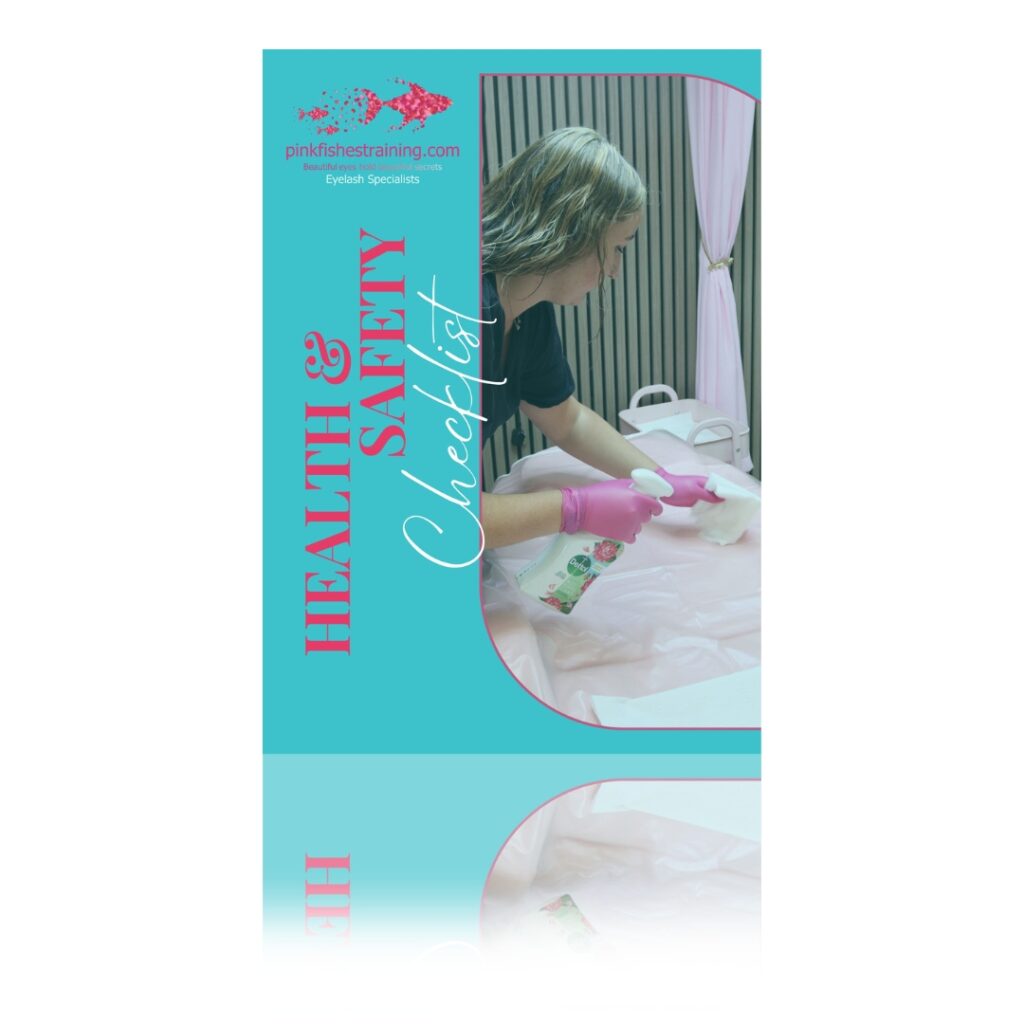
Ensure your business stays on track by downloading and completing our free Health and Safety Checklist here.